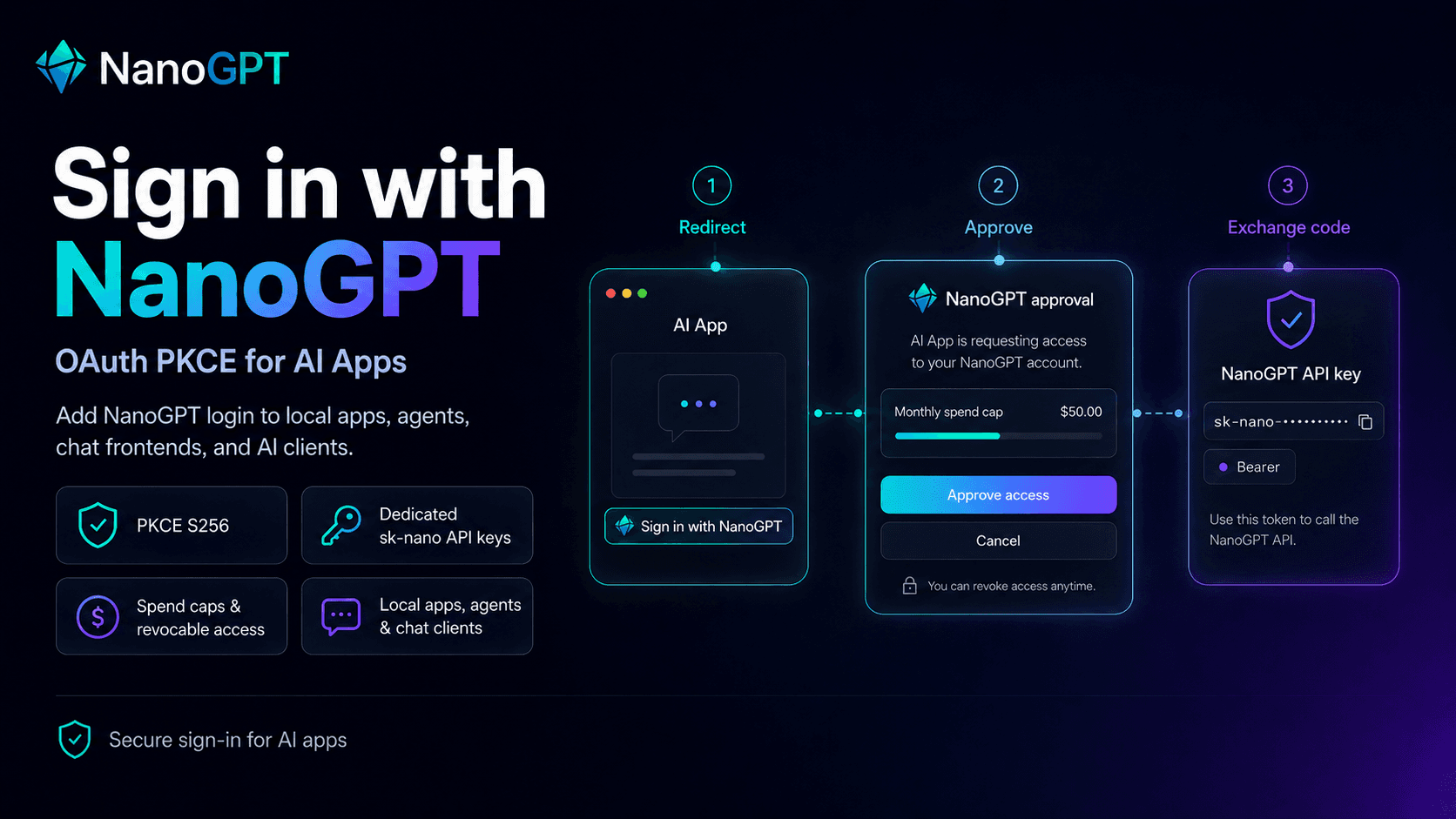
Sign in with Bitcoin.com AI: OAuth PKCE for AI Apps
Developers can now add Sign in with Bitcoin.com AI to local apps, agents, chat frontends, and OpenAI-compatible clients.

Updates, guides, and insights from the NanoGPT team
Showing
96 posts found for 'models'
Developers can now add Sign in with Bitcoin.com AI to local apps, agents, chat frontends, and OpenAI-compatible clients.
Bitcoin.com AI Private Mode encrypts supported TEE chat requests in your browser or local proxy before Bitcoin.com AI receives them, with receipts you can verify yourself.
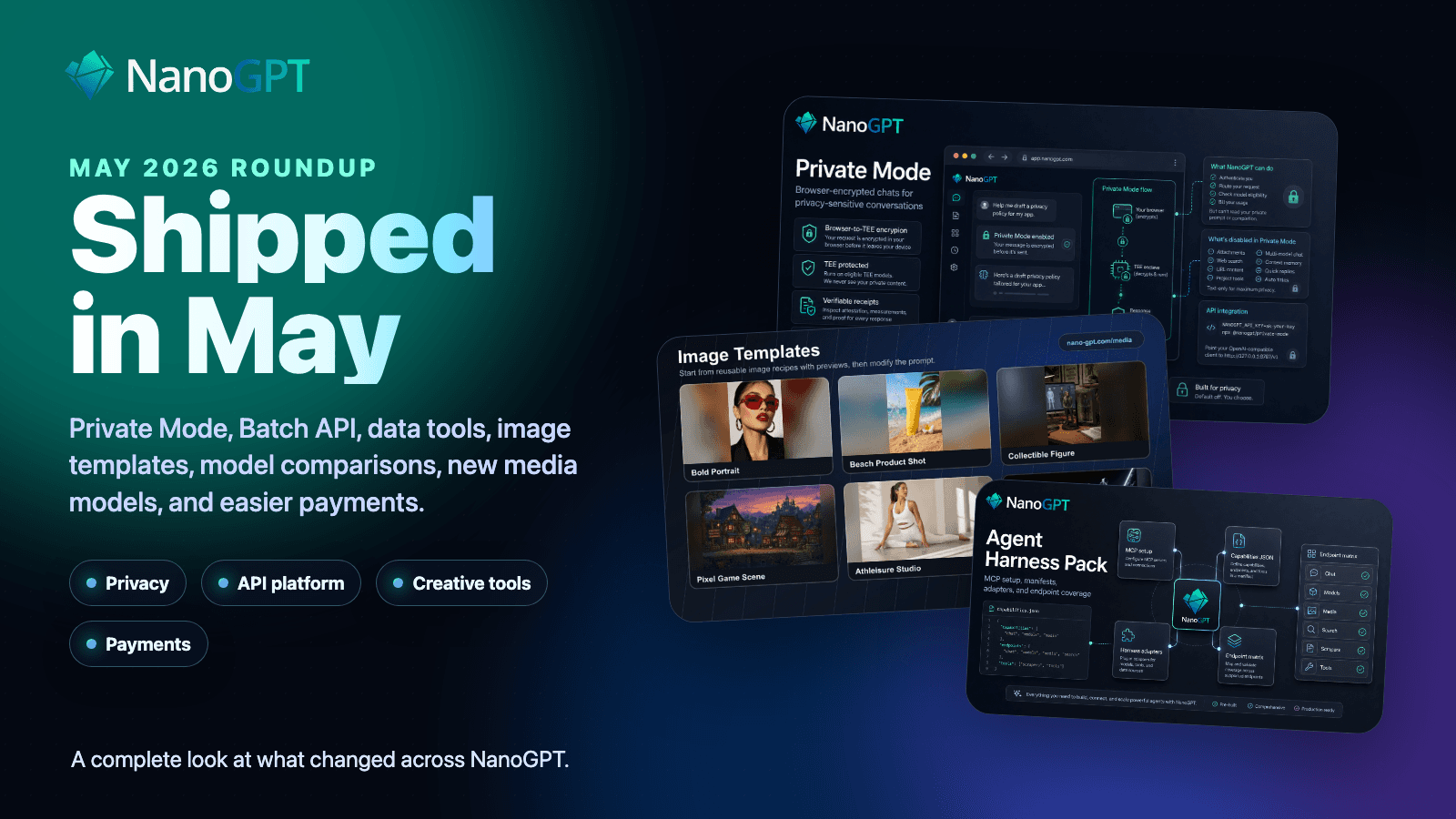
A complete roundup of what Bitcoin.com AI shipped in May 2026, including Private Mode, PII redaction, Batch API, Data API, image templates, model comparisons, new media models, payment options, and reliability improvements.
Bitcoin.com AI Private Mode encrypts supported TEE model requests in the browser, shows verification receipts after responses, and gives users a way to independently check attestation evidence.

Protect uptime first: use small models, caching, batch/live separation, tool offload, metrics-based routing and failover.
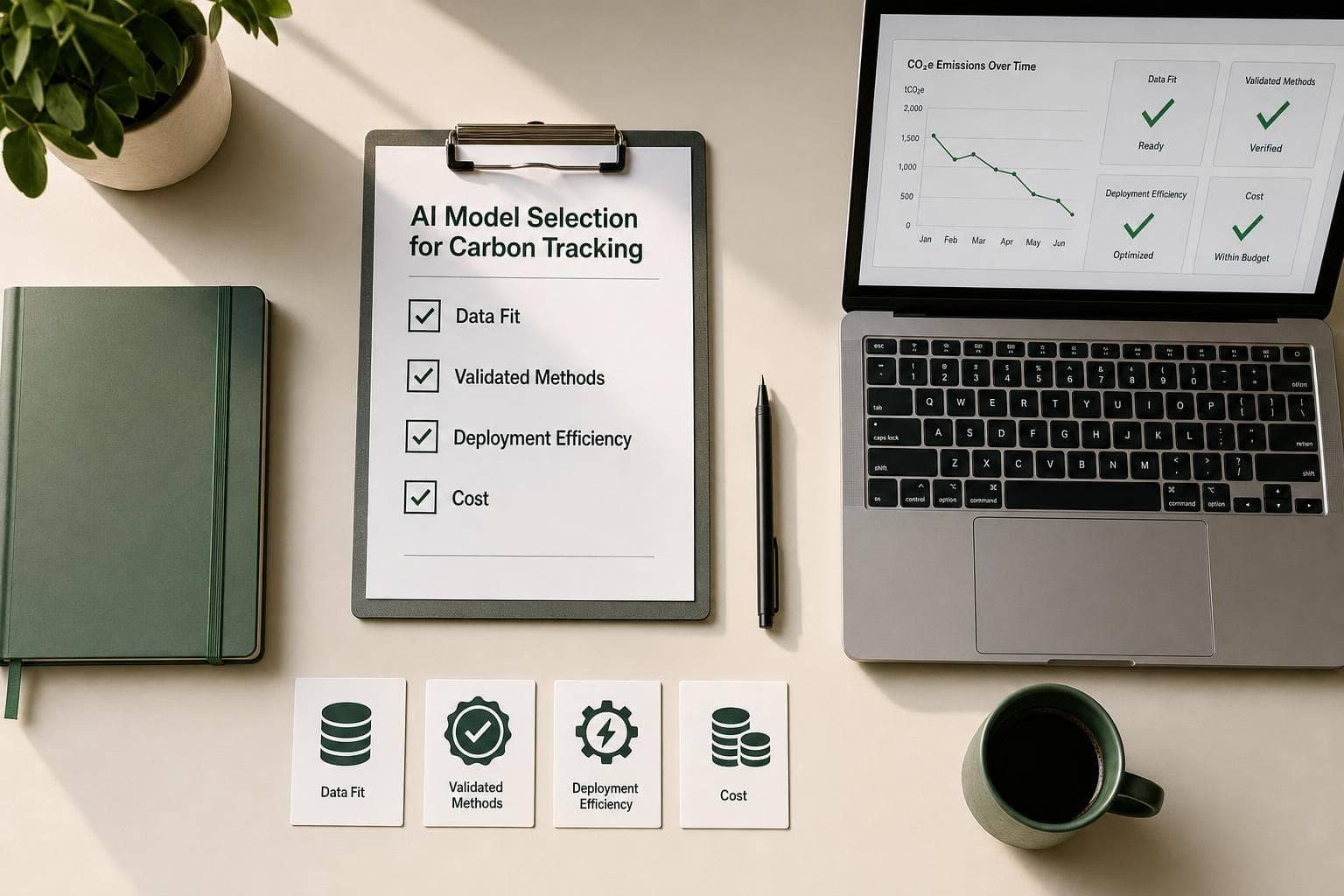
Step-by-step checklist to choose AI models for carbon tracking—prioritize data fit, validated emissions methods, deployment efficiency, and cost.
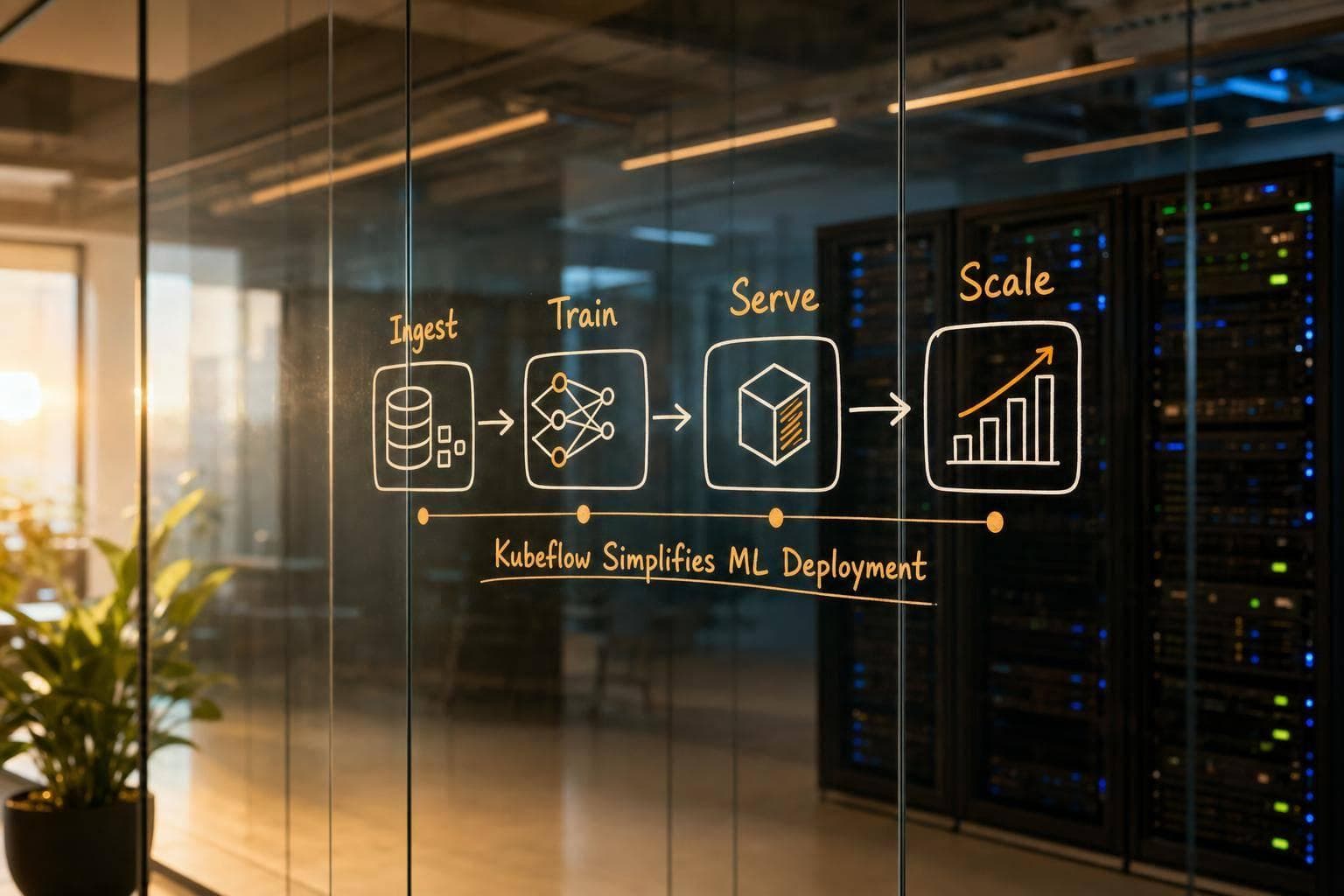
Use Kubeflow on Kubernetes to build reproducible ML pipelines, serve models with KServe, autoscale, and lower costs.

Adapting labeled models to unlabeled target data fixes domain shift using alignment, adversarial training, and pseudo-labels.

Compress ONNX models to cut size and latency with quantization, pruning, and mixed-precision—practical tools and deployment tips.
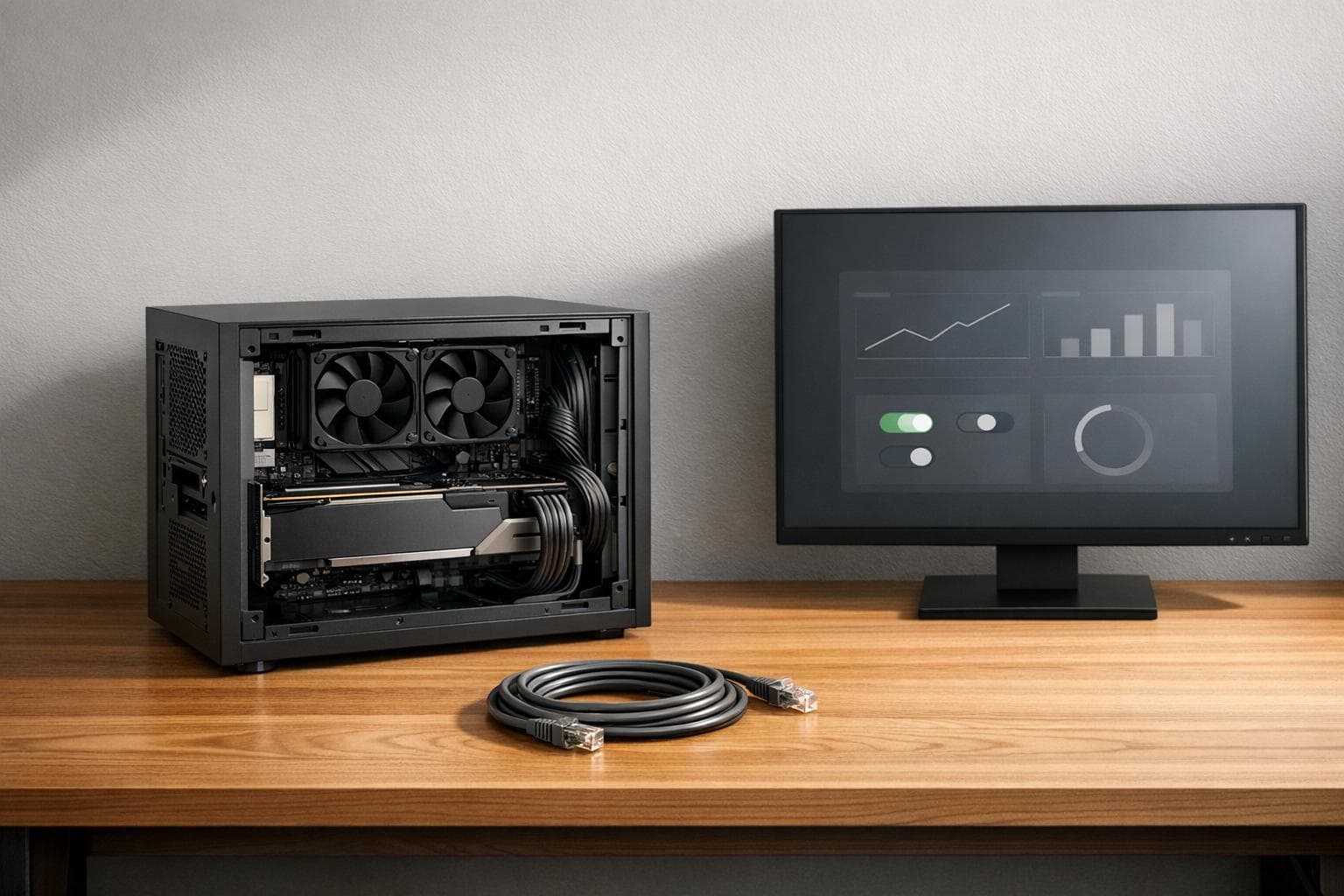
Run AI models locally for privacy, lower latency, and cloud-free performance — hardware, quantization, GGUF formats, and tools.