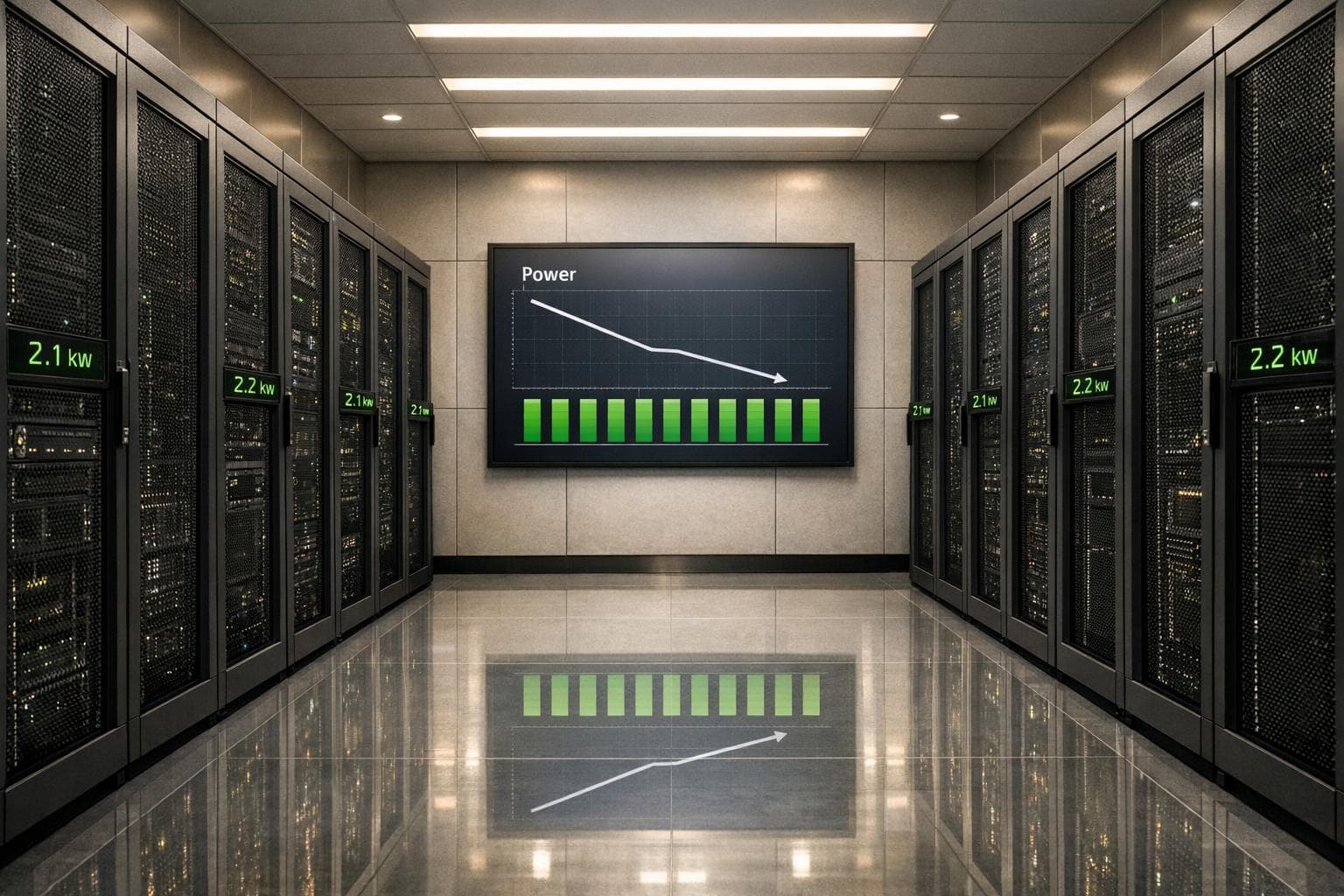
How Dynamic Load Balancing Saves Energy in AI Workflows
Real-time dynamic load balancing reduces energy use and emissions in AI clusters by redistributing tasks with DRL, GNNs and Kubernetes to cut power and costs.

Updates, guides, and insights from the NanoGPT team
Showing
Real-time dynamic load balancing reduces energy use and emissions in AI clusters by redistributing tasks with DRL, GNNs and Kubernetes to cut power and costs.
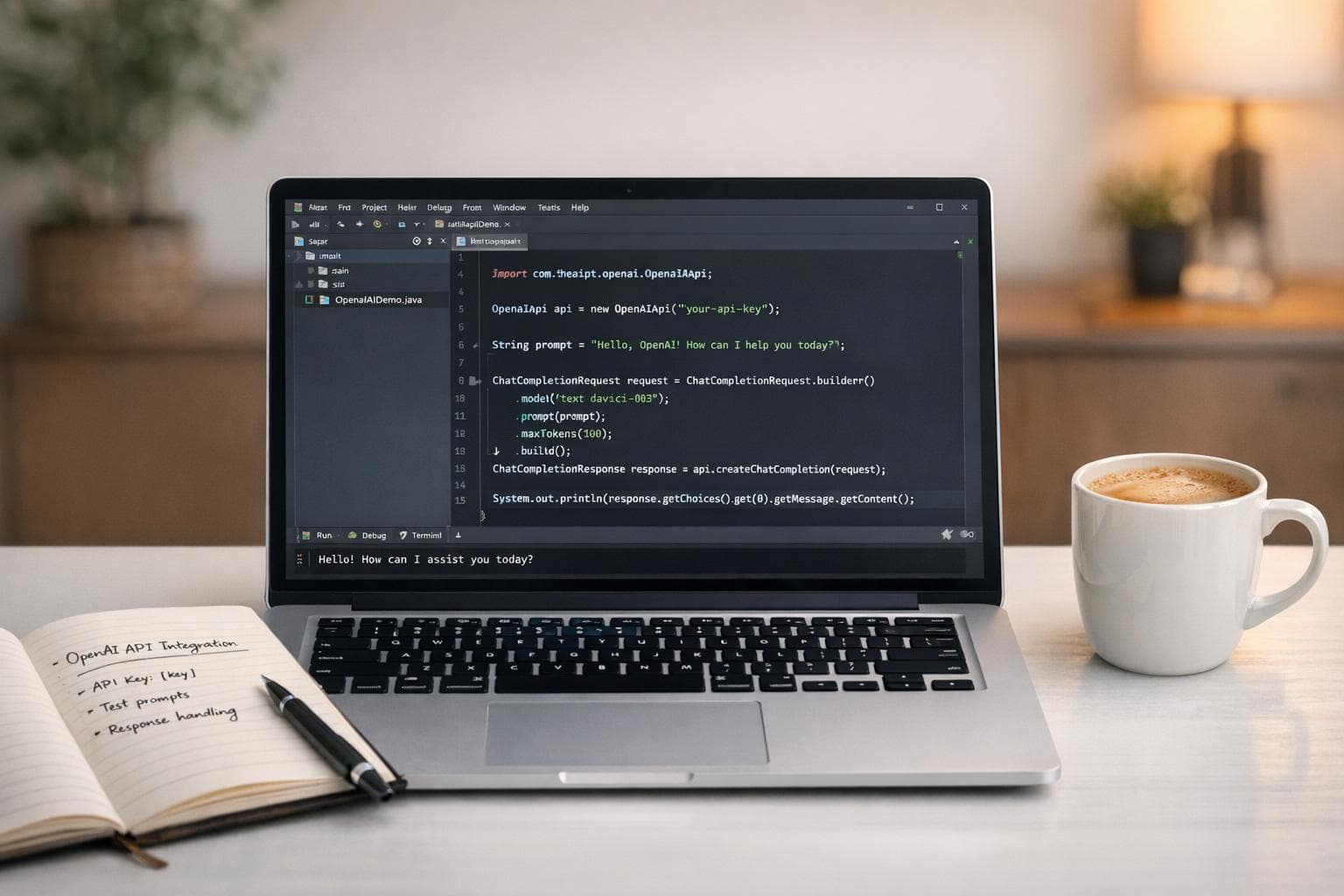
Step-by-step Java integration with the OpenAI API: setup, secure auth, Responses API examples, streaming, error handling, image generation, and cost tips.

Cost control in multi-tenant SaaS demands tenant-level visibility, smart autoscaling, right-sizing, and automation to stop noisy neighbors and protect margins.

Why RNNs lose long-term memory and how to fix it with LSTM/GRU, ReLU/LeakyReLU, proper weight initialization, and gradient clipping.
RISC-V custom instructions drastically cut LLM energy use and boost inference speed versus ARM and x86, with real benchmarks.

Generate schema-compliant JSON from text-generation APIs with constrained decoding, function calling, and provider-agnostic tools to reduce errors and costs.

Build automated preprocessing pipelines to clean, scale, and format data for AI models, send results via API, and optimize streaming and costs.
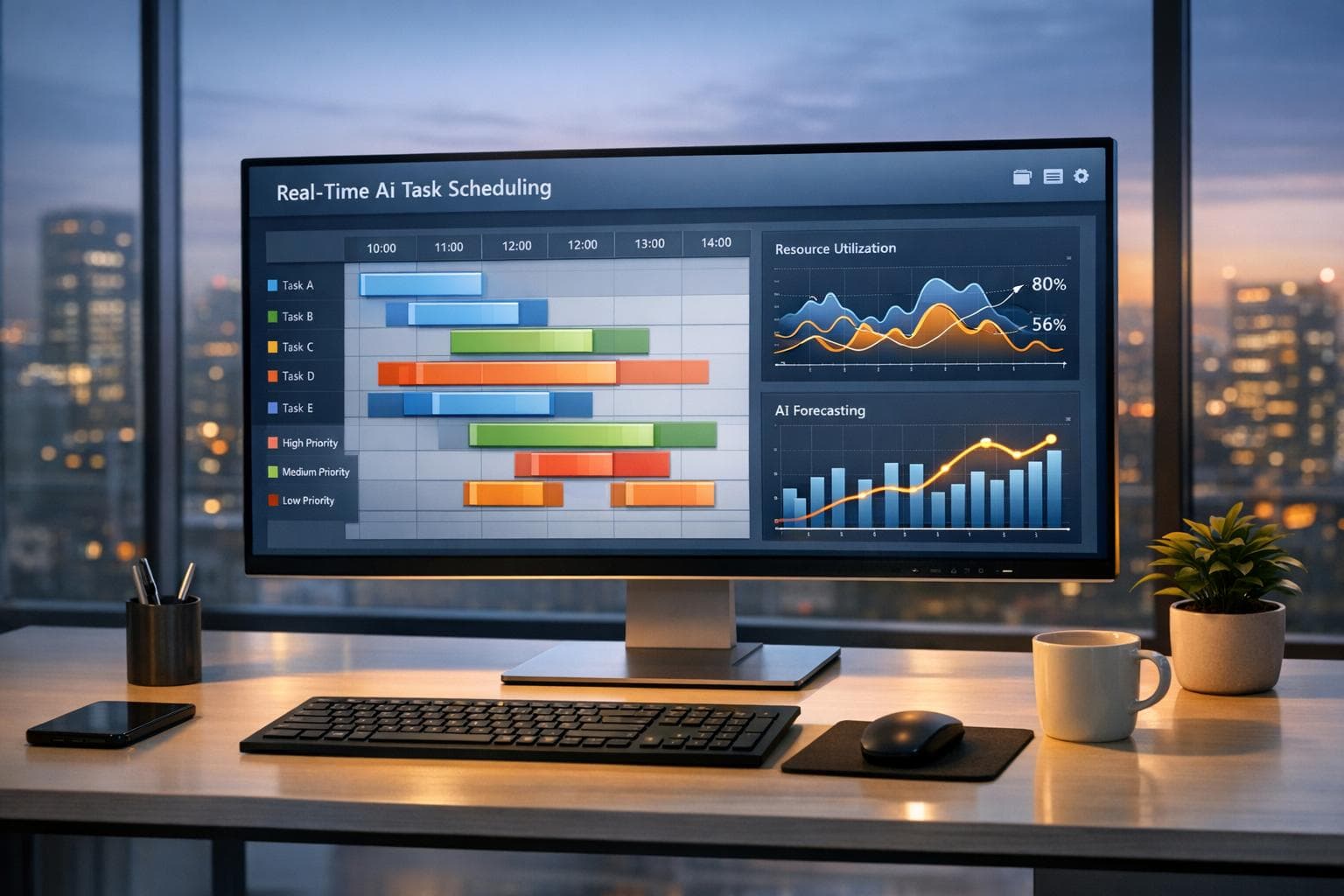
How AI schedules tasks in real time: prioritizing work, forecasting spikes, reallocating resources dynamically, and protecting data to reduce delays and missed deadlines.

Compare top frameworks for measuring CPU performance on AI workloads—latency, throughput, precision, and practical benchmarking tips.

Unify RBAC across AWS, Azure, and Google Cloud with centralized IdP, policy abstraction, short-lived tokens, and automation to prevent role sprawl and misconfigs.